
You wrap up a job, send off the final invoice, and breathe a sigh of relief. On the surface, it all went pretty smoothly — the site’s clean, the client’s happy, and the team’s already cracking into the next one.
But a few weeks later, once the supplier bills roll in and you tally up hours, you realise you’ve barely broken even. Maybe you’re even out of pocket.
It’s the kind of gut-punch that makes you ask: “Where did the money go?”
That’s where understanding back costing and job costing comes into play. Two different tools. Both critical if you want to keep your margins tight and your business running smooth.
Let’s unpack it — no accounting degree required.
Check out NextMinute’s financial reporting features here
What is back costing?
Back costing is your “post-mortem”. It’s the look-back at what a job actually cost you, compared to what you thought it would cost.
You take the original quote — labour, materials, subbies, everything — and compare it with what really happened.
It’s like checking your speed after you’ve passed the speed camera. Good to know, but a bit late to change anything.
Still, it’s powerful. Back costing helps you:
- Spot where you underquoted
- Catch sneaky blowouts
- Adjust your pricing for next time
You can’t undo a job, but you can make the next one smarter.
What is job costing?
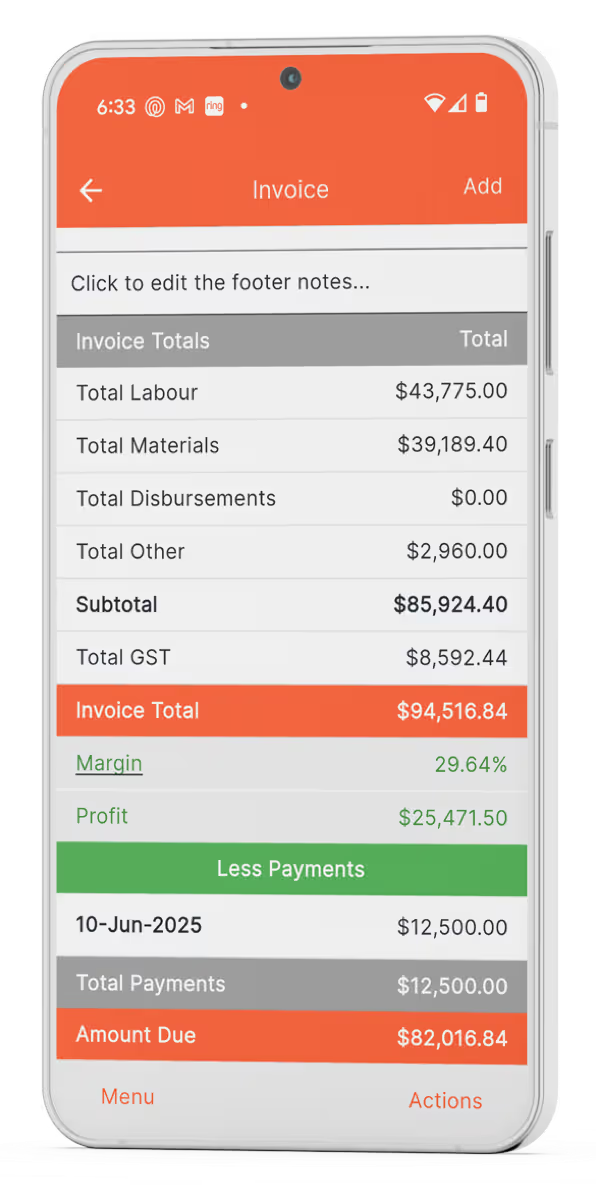
Job costing is what happens during the job. It’s how you track costs in real time — while you’ve still got the chance to steer things back on course.
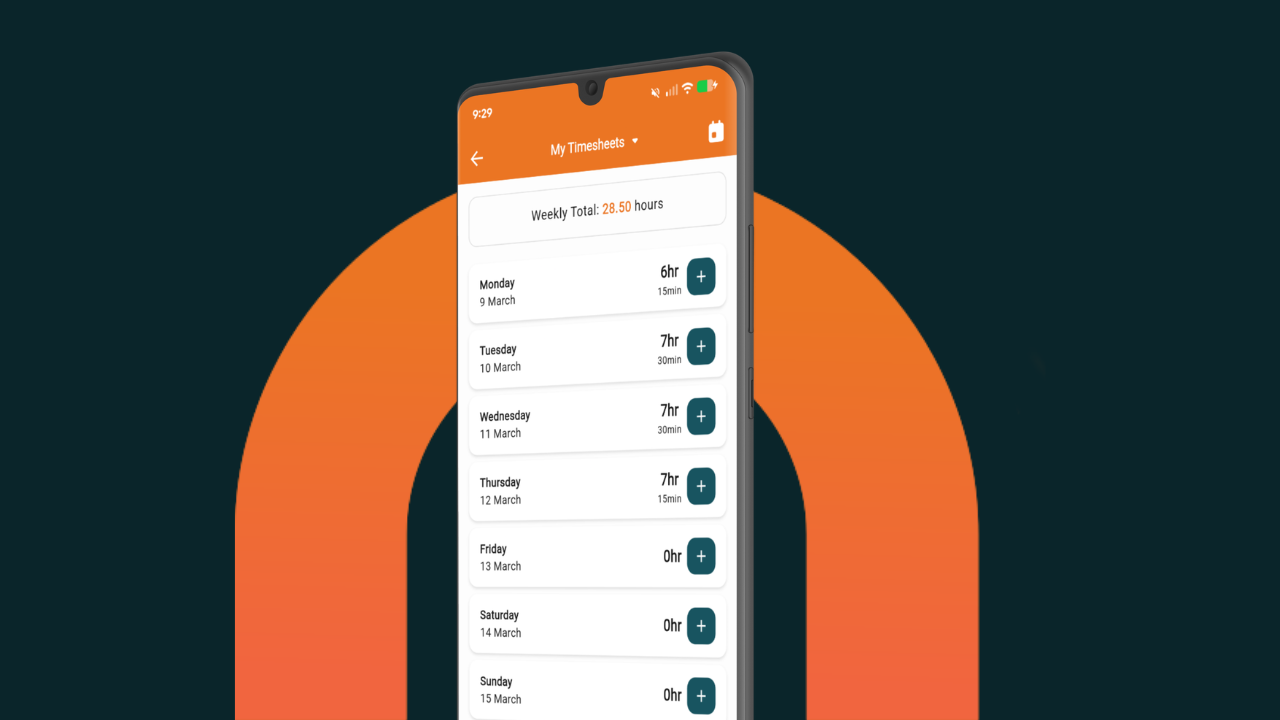
Instead of waiting for the dust to settle, job costing lets you keep a live eye on:
- Labour hours vs estimate
- Materials used and ordered
- What’s been invoiced
- What’s running over budget
- Whether your stages are still on track
Job costing is like checking the weather before you pour the slab. You might still get wet — but at least you had the heads-up.
So, what’s the actual difference?
A real-world example: framing a new build
Let’s say you’re building a single-storey home.
You’ve allowed 120 hours for framing, priced out your materials, and set your budget.
Now let’s look at two versions of the story.
With back costing only:
The job finishes. You do the maths.
- Labour ran to 145 hours
- You forgot to factor in site delays from weather
- The crew had to redo some sections because the client added windows mid-way through
You realise you underquoted the framing stage by over $3k.
Useful info — but it doesn’t bring that money back.
With job costing:
Two weeks into framing, you check your numbers.
- Labour is already 90 hours in and you’re only 60% done
- A variation has popped up for additional windows
- Weather’s been rough and slowing things down
You adjust. The variation gets approved and billed. You scale back crew for a few days to stay aligned. You communicate with the client early.
Now you’re back on track, or at least have covered the extra work.
That’s the power of job costing. You’re in control, not flying blind.
Why tradies in Australia can’t afford to ignore this stuff
Building and trade jobs in Australia aren’t getting simpler.
Costs are up. Margins are tight. Clients want more for less. And delays from rain, suppliers, or council approvals can throw out even the best-laid plans.
A single missed variation or a few extra hours across stages can wipe out your profit.
That’s why back costing alone isn’t enough anymore. You need to see what’s happening while it’s happening — not just after it’s too late.
So which one should you be doing?
Here’s the thing: the best builders and trade businesses do both.
- Back costing helps you quote smarter in the long run
- Job costing helps you stay profitable job by job, week by week
It’s not a one-or-the-other situation. It’s like saying you should choose between your level and your tape measure.
But how do you actually do it?
Here’s how tradies are keeping track without drowning in spreadsheets:
1. Track time against jobs and tasks
Not just “worked 8 hours” — but what job and which stage. That’s how you know framing blew out, not just “the job”.
2. Log material spend as you go
If your crew picks up supplies, get them to snap a photo of the receipt and log it straight away. Don’t let it pile up in the ute tray.
3. Capture every variation
Client changes their mind? Add a power point? Different tile choice? Price it, log it, and get it approved before you do the work.
4. Make it a weekly habit
Every Friday arvo or Monday morning, review the numbers. 15 minutes per job. Enough to catch problems early.
If that sounds like a nightmare to do manually — you’re spot on.
Where does NextMinute fit in?
We built NextMinute because Aussie builders and tradies needed a better way to run the numbers. Without waiting for the accountant. Without chasing bits of paper. And without adding more admin to your week.
With NextMinute, you can:
- See labour, materials, and variations by stage
- Track live job costs against your quote
- Capture timesheets, receipts, and notes in the mobile app
- Keep the whole crew on the same page
- Back cost with confidence, and job cost without stress
And because it’s designed specifically for residential tradies in Australia, you won’t be dealing with features meant for commercial or maintenance work.
Final thoughts: Know your numbers before they bite you
Look, most tradies don’t lose money because they’re bad at the job. They lose money because they can’t see what’s costing them — until it’s already too late.
Back costing shows you what happened.
Job costing shows you what’s happening.
If you want to win in 2026, you need both. That way, your next job isn’t just better built — it’s better run.
And if you’re ready to make job costing easier than ever, you know where to find us.