.avif)
There's a pattern with the carpentry businesses that move across to NextMinute, and it isn't really about software. It's about getting an hour back at the kitchen table on a Sunday night, protecting margin on the long jobs, and making sure the office and the site are working off the same version of reality.
Here's what we hear most often when we ask carpenters why they made the switch.
The crew actually uses the mobile app
Most Kiwi carpenters we talk to have tried something at some point — a notebook, a paper diary, a generic timesheet app that didn't fit how the work actually runs. The crew on the tools never really used any of it because none of it was built for them.
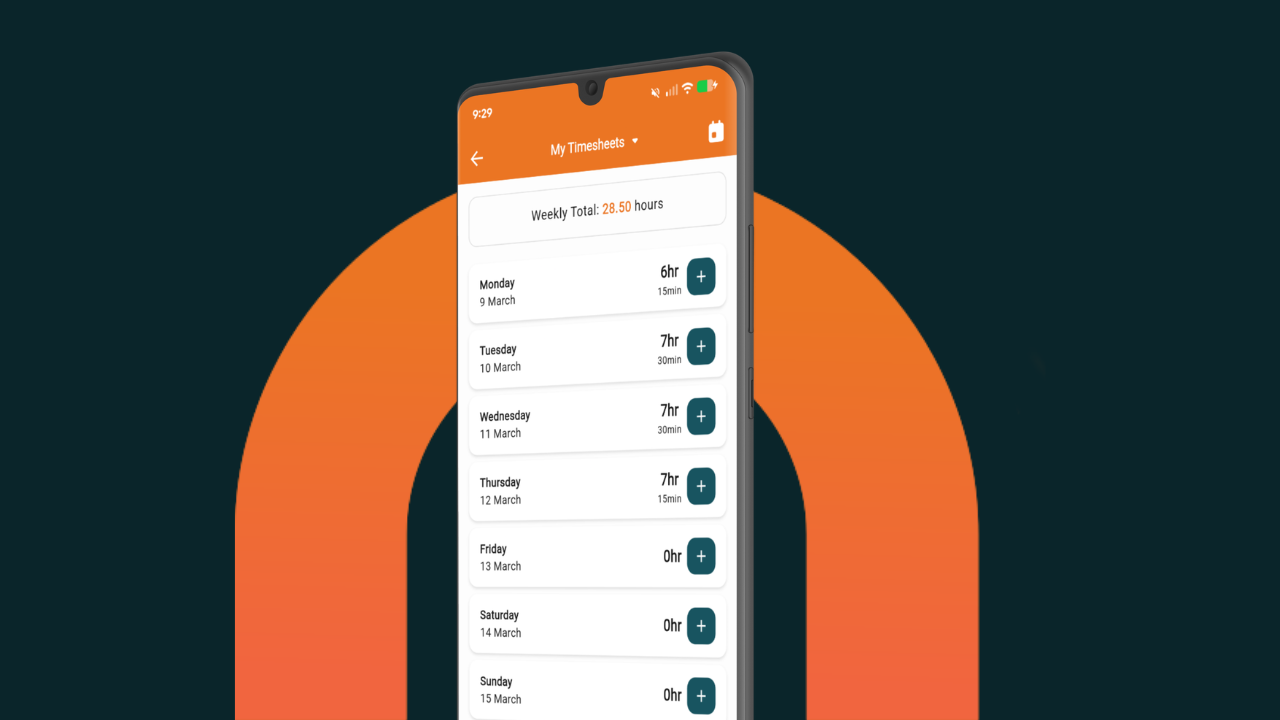
The first thing carpentry crews notice with NextMinute is that the team actually opens the app. Hours go in against the job. Photos land straight on the job record. Plans and consent docs pull up on a phone instead of getting forwarded around as PDFs. Have a look at the mobile app for what that looks like in practice.
The Auckland team picks up the phone
This comes up in almost every conversation. A lot of the software carpenters used previously was overseas — ticket queues, email-only support, days of waiting for someone to reply about a setup question.
The NextMinute support team is based in Auckland, knows the New Zealand building industry, and you actually ring a person when you're stuck. Onboarding, training, bringing your existing quotes and contacts across — it's all done by the same people you spoke to on the intro call, not handed off to a faceless portal.
Variations stop quietly disappearing
The classic carpentry margin leak. You're framing up, the client asks for an extra wall, the work gets done, and somehow it never makes it onto the invoice. Or it does — but six weeks later, when you're now arguing with the client about why the number isn't what they signed off on.
With variations logged against the job at the time, photos and sign-off attached, there's a clean record. That's worth more than most carpenters expect — partly in actually-invoiced revenue, partly in not having awkward conversations at the end of a build.
Progress claims stop eating your Saturdays
For carpentry businesses running longer renovation or new build jobs, progress claims that used to take a half-day spreadsheet exercise drop to a 20-minute job. The numbers pull from the hours and materials already tracked against the job, the format is consistent, and the client gets a clean breakdown they can't argue with. See how invoicing handles it.
You can see what the job's actually costing while it's still live
The thing that catches most carpenters off guard after a few weeks on NextMinute is how much they didn't know about their own jobs. Once labour, materials, expenses, and variations all flow against the same build, back costing reports show actuals against your estimate in real time — not eight weeks after handover when there's nothing you can do.
Margin leaks that used to show up at year-end now show up on a Tuesday afternoon, when the supplier is still answering the phone and the crew is still on-site.
Xero, MYOB and QuickBooks just work
The two-way sync with Xero, MYOB, and QuickBooks keeps invoices, supplier bills, timesheets, and contacts lined up. For most Kiwi carpenters that's the moment the spreadsheets and the Friday-night data entry quietly retire. GST returns get easier, the bookkeeper stops asking for things twice, and end-of-month stops feeling like a second full-time job.
It's built for crews of three or more
NextMinute isn't a sole-trader callout tool, and it isn't enterprise software for a 200-person commercial outfit. It's built for carpentry crews of three or more — which is where most New Zealand carpentry businesses actually sit. You can start with what you've got and add users as the team grows, without migrating to something different later on.
Have a look
If any of the above sounds like the week you've just had, start a free trial — no card, no lock-in. The Auckland team will help bring your existing quotes, contacts, and price book across, so you're testing on real jobs instead of a blank screen.